Featured
A Self-Maintaining Memory for Humans and AI
My local knowledge base has become the memory for everything I work on and every agent I work with, and it maintains itself. I packaged it up so you can use it too.
Read postCategory15 posts
Featured
My local knowledge base has become the memory for everything I work on and every agent I work with, and it maintains itself. I packaged it up so you can use it too.
Read postPosts
A 25-million-parameter language model trained from scratch, squeezed into 16 MB, and running entirely on a $25 ESP32: no cloud, no internet, just battery-powered text generation.

LLMs stopped being bad at math by using a calculator. I spent a weekend turning Jev, a model that answers with a decision and a confidence and no reasons, into a tool for a regular LLM.
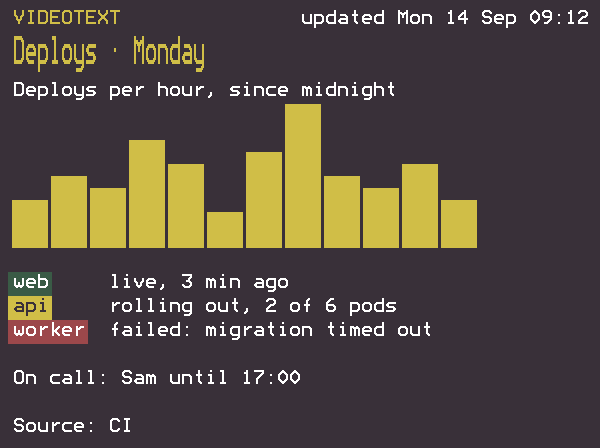
A teletext-style e-paper wall my family and my agents can put a page on, and why a slow, flat-colour panel and a format from 1984 suit each other.
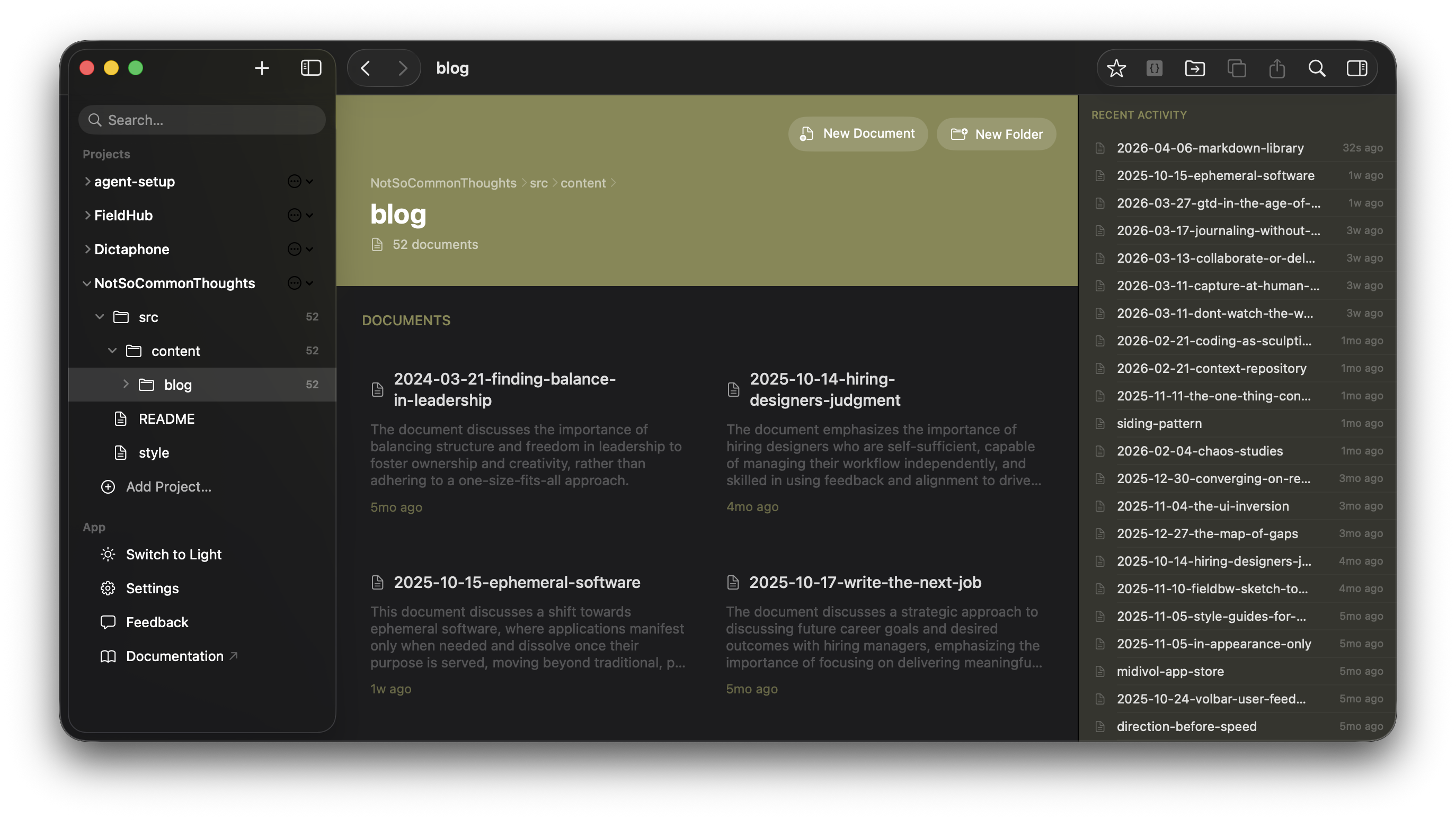
Markdown files have quietly become the connective tissue of AI-assisted work. I built Markdown Library ML-42, a native macOS app to browse, read, and edit them where they live.
Working with AI has shifted my design process from building up to carving away, revealing the essential shape hidden within.
A practical approach to making AI actually useful: translate your company knowledge into a structured, version-controlled repository that AI can reason from.
In the age of AI, it's not the UI that becomes ephemeral—it's the software itself. Code manifests when needed and dissolves when purpose is served.
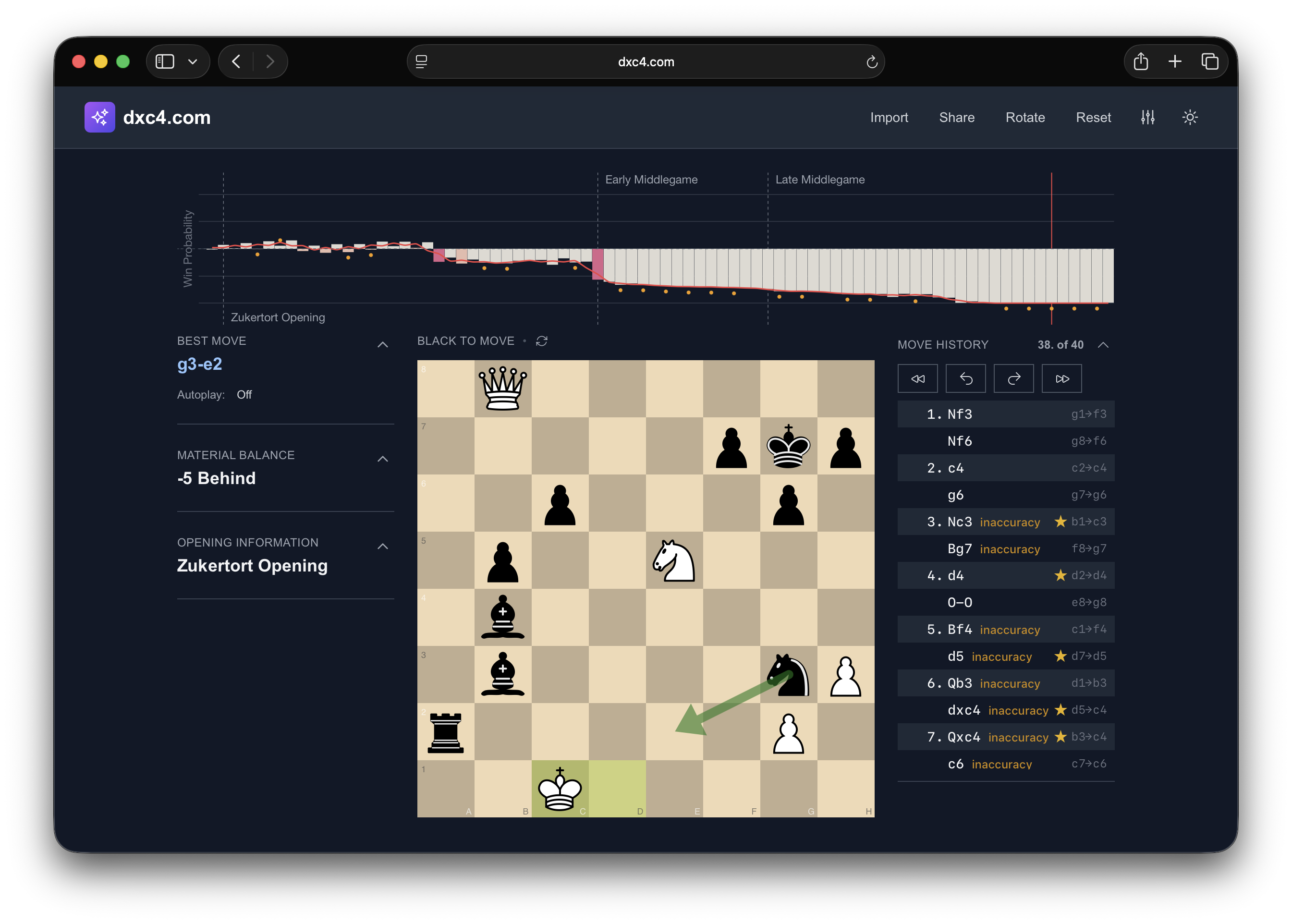
Building a free chess game analysis tool that stores everything in the URL—no servers, no databases, just instant analytics you can share with a link.
How building a hex map generator brought back memories of creating one of the web's first strategy games.
How and why I implemented the LLMs.txt standard to make this blog more accessible to AI tools.
How I built a music player for kohlhofer.com that pulls from a YouTube playlist, fetches video backgrounds, and focuses on an integrated audio/visual listening experience.
A fun exploration of chaos theory through code, creating an aesthetic visualization of the Lorenz attractor using P5.js.
How I built kohlhofer.com trying out a new approach to design and software development.
How I used code to create a natural-looking random pattern for board and batten siding, ensuring both aesthetic appeal and structural requirements.